
Editorial content by the FunnelOps team. Information and sources reviewed on October 30, 2026. Comparisons use providers’ public pages and are not independent tests. Confirm features and terms before subscribing.
What is white-label customer service software?
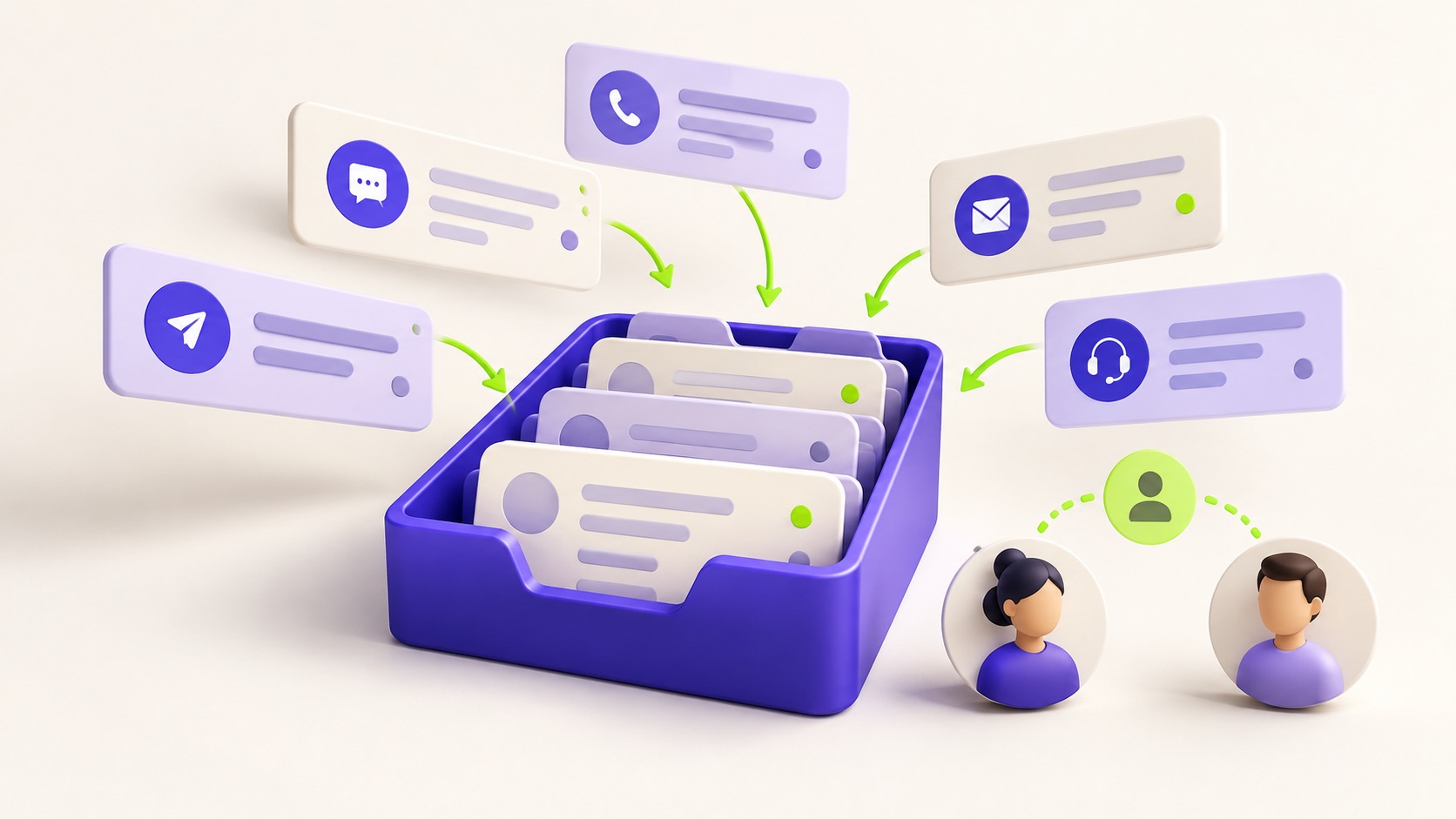
This is a service platform a partner sells under their own visual identity and commercial terms. The provider maintains the technology under the contract, while the reseller serves their customers. It may include WhatsApp, other channels, multiple users, queues, automation and CRM. Each sold plan needs a clear scope.
Features to demonstrate
- Shared inbox: several agents on one number with clear ownership.
- Queues and departments: distribute conversations, transfer service and follow schedules.
- History and context: contacts, tags and internal notes so the team can continue the work.
- CRM: record the opportunity and track the next action after the conversation.
- Automation and AI: qualify contacts while retaining access to a person.
- Brand and domain: check what customers will see at login and in the dashboard.
White-label WhatsApp and omnichannel service
Multiple WhatsApp agents organize a team on one channel. Omnichannel service adds channels and helps track customer relationships. In FunnelOps, additional channels and connections depend on the plan. Confirm connection type, account compatibility and provider costs before selling an integration.
How to build an offer for your customers
Start with a recurring problem in one segment: unanswered contacts, unassigned conversations or opportunities without follow-up. Demonstrate the workflow using sample data. Separate onboarding and training from the operating subscription. Define channels, users, connections, support routines and configuration responsibilities.
FunnelOps costs and limits
The free plan combines service, CRM, proposals, chatbots and AI agents with 5 connections shared across the operation. Companies and users are unlimited. Higher plans add connections and features. Messaging, AI, voice and external services may have separate costs. Use the public pricing table to size your customer base; you set customer subscription prices.
FunnelOps, ZPRO or Whaticket?
Compare the operating model first: who hosts, who updates, how support works and what the subscribed plan includes. The comparisons below cover ZPRO and distinguish the open-source project from commercial offers named Whaticket. Test the same service workflow on each alternative.
A complete workflow from first contact to resolution
Imagine a repair shop receiving quote requests, service updates and payment questions on one number. Organization starts by identifying the topic and owner. Each conversation needs a next action: request information, transfer or follow up. Without that workflow, a new tool may simply move the same disorder to another screen.
Simulate an agent change and the customer returning later. Check context, pending tasks and what resolution means. Closing a conversation may mean a resolved question, rejected quote or completed sale; your operation needs to distinguish the outcomes it wants to measure.
Permissions, departments and supervision
Define which teams see each service type and who can transfer, edit information or view metrics. Start with simple roles and test each using a demo account. An administrator’s screen does not establish what a salesperson sees. This matters when your customers have different team workflows.
Use supervision to find pending work, beyond counting messages. Review unanswered conversations, promised follow-ups and cases without next steps. Combine software with operating rules: who owns a queue, when to transfer and how to cover an absent agent.
Onboarding and training as part of the offer
Before connecting the whole company, choose one department and document its workflow. Configure only the fields, queues and automation needed for the pilot. Train its owner with anonymized cases or sample data. Prove the team can complete the service workflow, including correcting classifications and transferring to the right person.
Prepare a short daily guide: starting, finding, replying to, transferring and closing conversations. Separate daily use from administration. A team change should not require another full implementation. If you sell under your own brand, maintaining that material is part of the experience customers expect.
How to organize support and customer growth
Define how customers request help, what information they provide and who checks the issue before escalating to the provider. Turn “it stopped working” into a reproducible case: channel, step, time and observed behavior, without unnecessary data sharing. This improves diagnosis and reduces time spent understanding requests.
As you grow, track connections, training demand and support hours per company. An initial offer may need to change when customers add departments or channels. Agree on scope reviews and confirm the platform plan before selling an expansion. Organized growth helps maintain the service promised in the first demo.